Yeah that’s kind of what I was thinking. Dowels or biscuits. or dominoes if want to blow $1,300…
Or how about a lap joint? That’s the ticket. I have a router table so cost is $0.
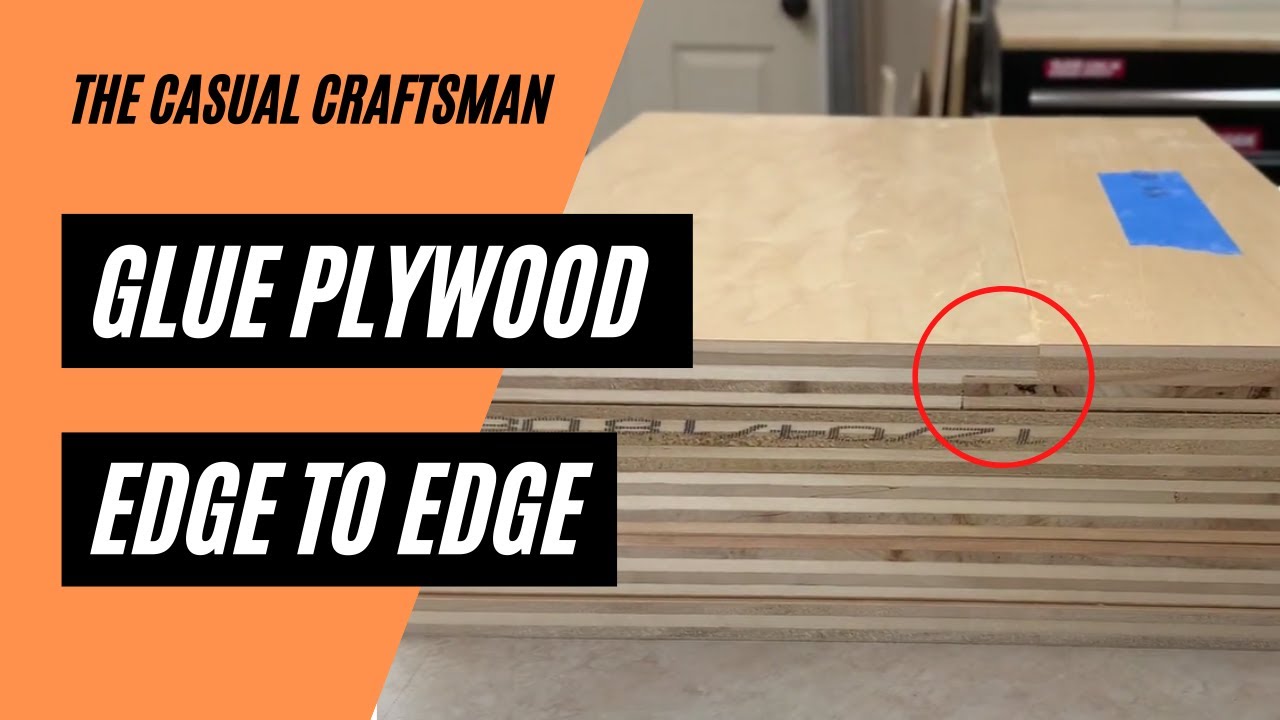
My thinking is that I don’t want vertical stress at the edge seam that relies on the glue alone, because there isn’t a front-to-back under table support to screw to. A mechanical support in both stress directions as offered by biscuits or a tongue-and-groove or even a spline feels stronger than a lap joint… but by how much? probably doesn’t matter for this application.
Welcome to OverThinkers Anonymous!
Besides, biscuits are /only/ $0.10/ea, right? The point is justifying a new tool for the shop!
1 Like
You could always 3D print some brackets to be attached to the front stringer …
Well on the 4 x4 I have 5 cross bars. I could place the lap joint on top of the fourth cross bar. Then I have support on both ends of the two pieces. Plus there would be screws coming up through these cross bars into the lap joint just to attach the board to the frame.
I am actually using a piece of plywood for the base. I think I’m gonna screw threaded inserts into the base and used those to attach the top MDF slats. That way the MDF slats can we replaced relatively easily. I actually was toying with the idea of not having threaded inserts in the slats at all and instead put them in the base and pass (longer) screws through if I want to attach things. I think the inserts would be much less likely to pull out of plywood vs MDF. At this point it’s just a thought though. I think in the end I’ll probably just start with dogholes and t-tracks, insert points for the Air Weights table. If I end up wanting the inserts I can always add them later.
I used t-nuts instead of threaded inserts and installed them on the bottom of the spoil board, of course you have to pocket out for the head but that puts the threaded portion of the nut in the bottom 3/8” of the spoil board about the same level of the t-track so plenty of room to resurface a few times. If you have a router table a lock miter bit may help with the butt joint.
Aren’t lock miters for angled joints? I think lap with glue should be fine for an axial load. My question is how big a lap to make. Looking like 1” since that’s the longest bit I have.
Update -
Holy hell router tables are not for sheets of plywood…that was unwieldy as hell and the slight warp in the plywood made for a pretty crappy cut. Fortunately I was able to clean it up with a hand router and it worked decently albeit not perfectly. I’m trying to flatten the warp a bit before afixing to the router bed. I think I’m gonna Shellac the plywood when I’m done.
1 Like