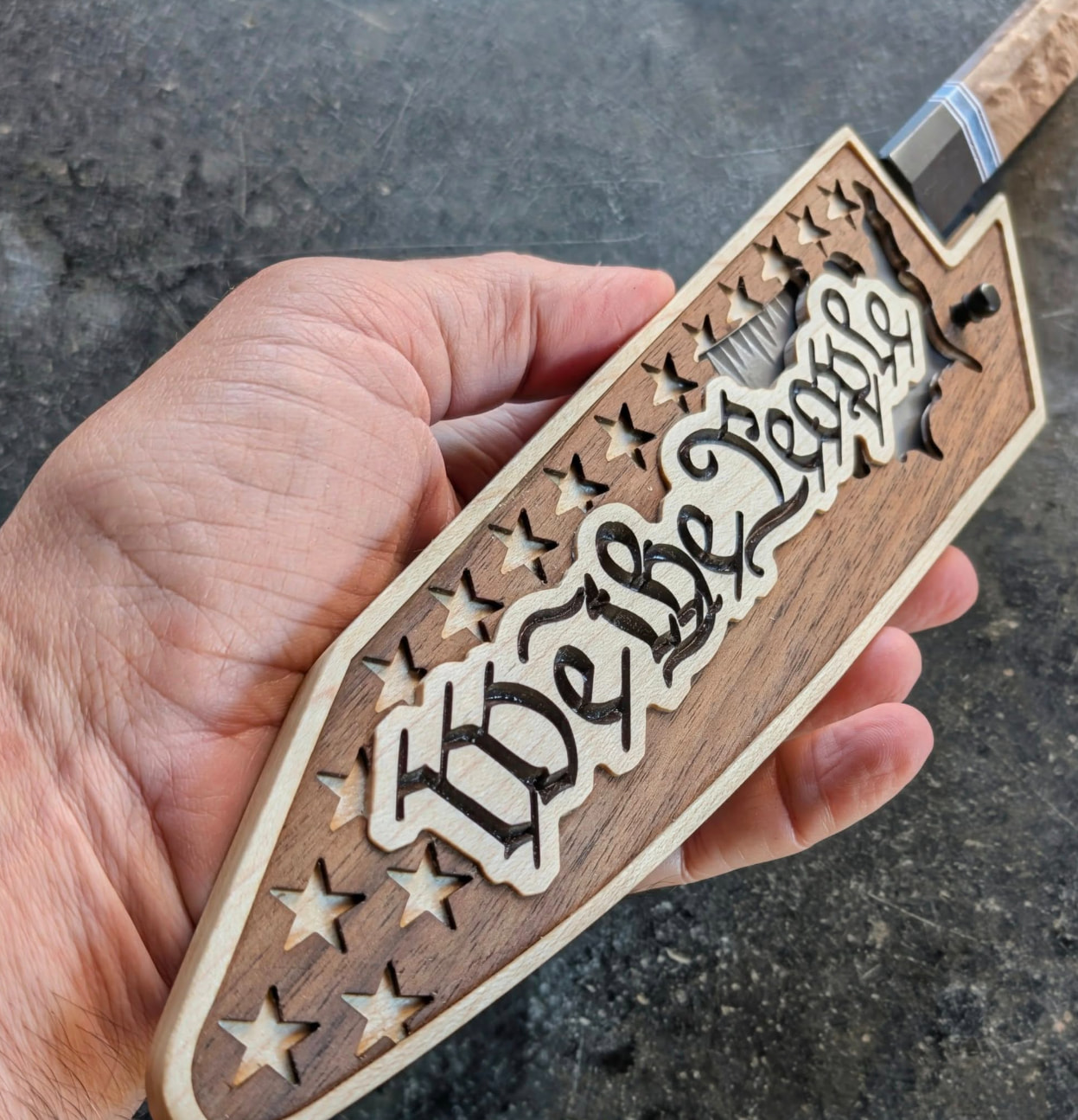
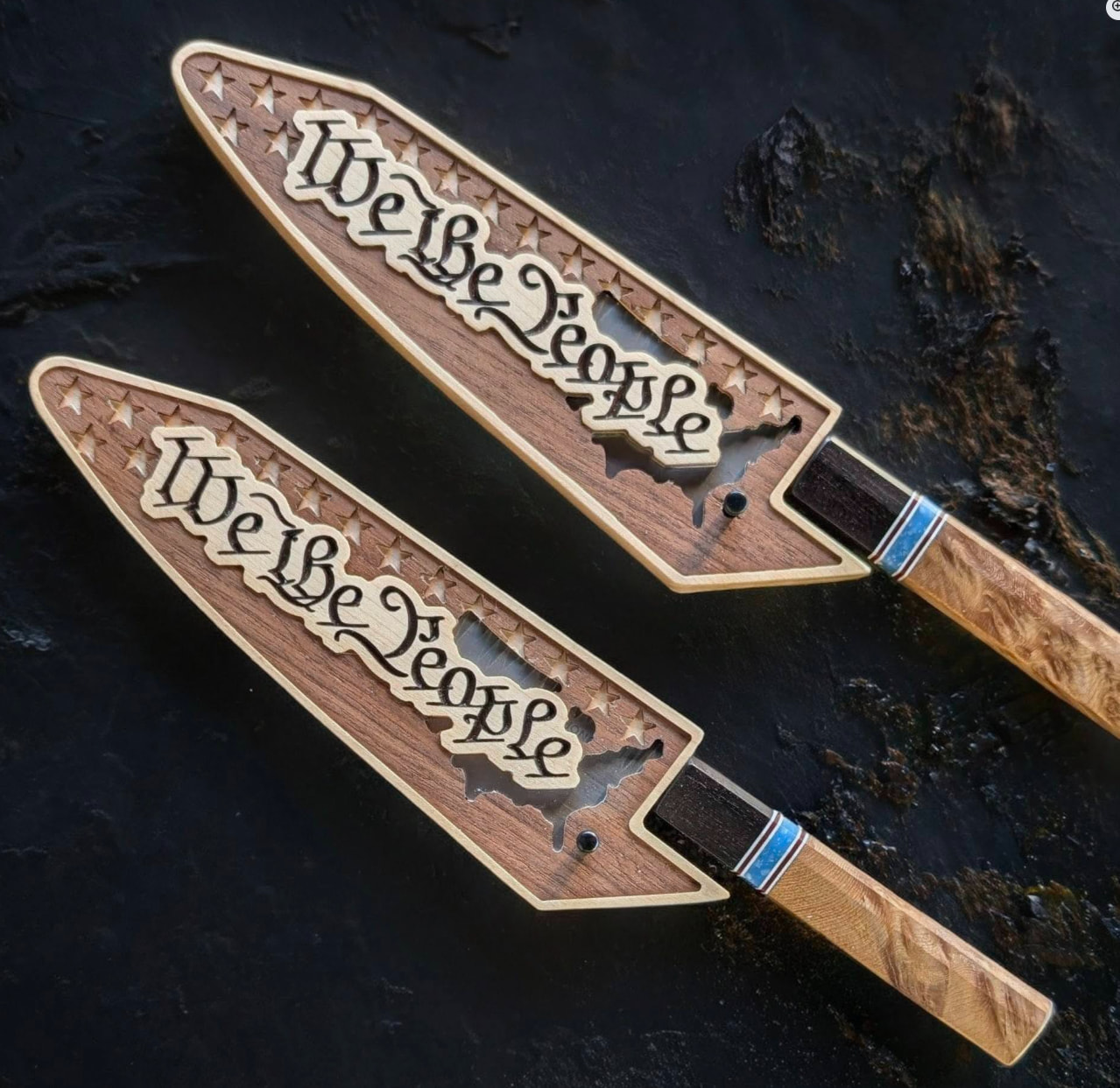
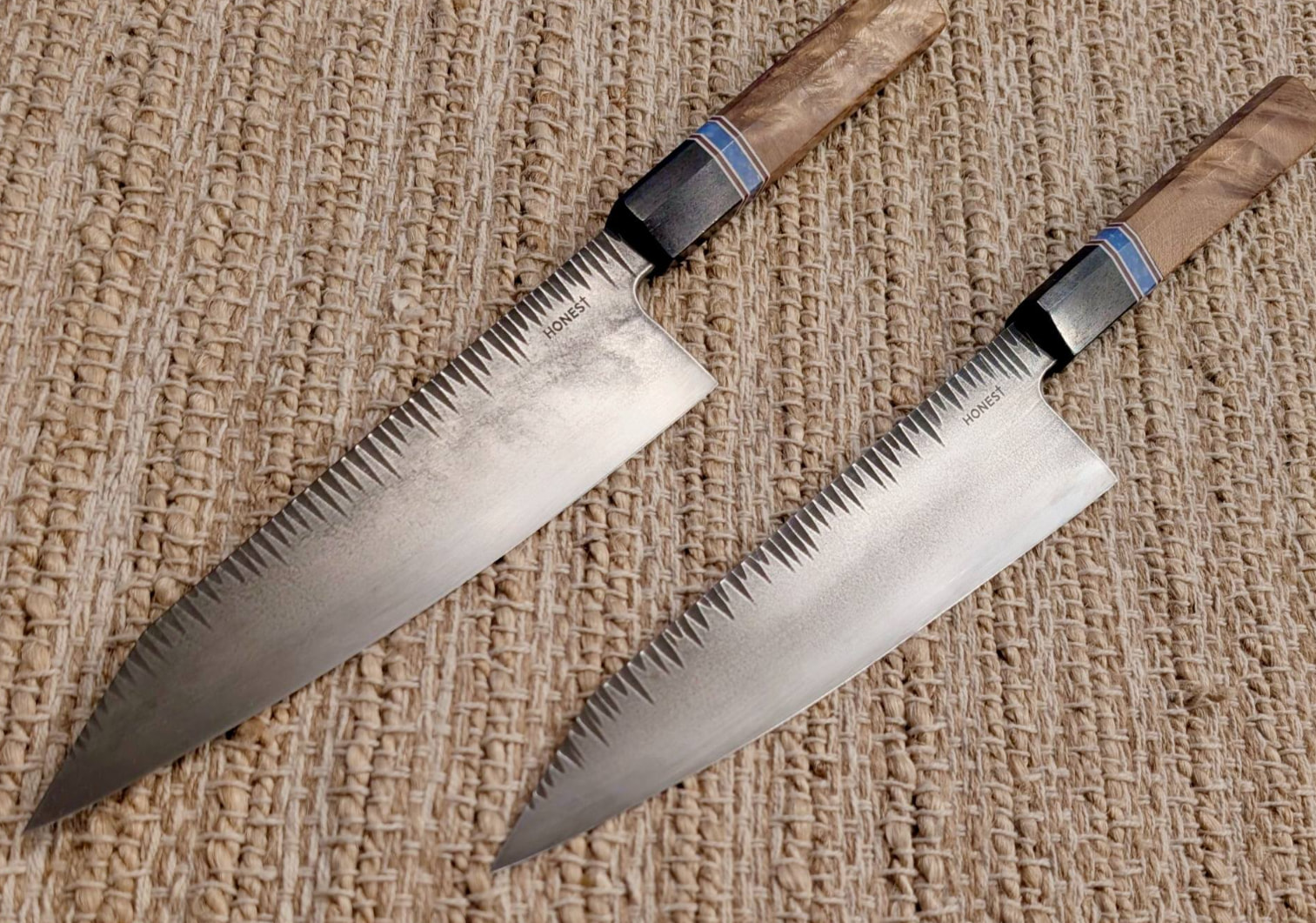
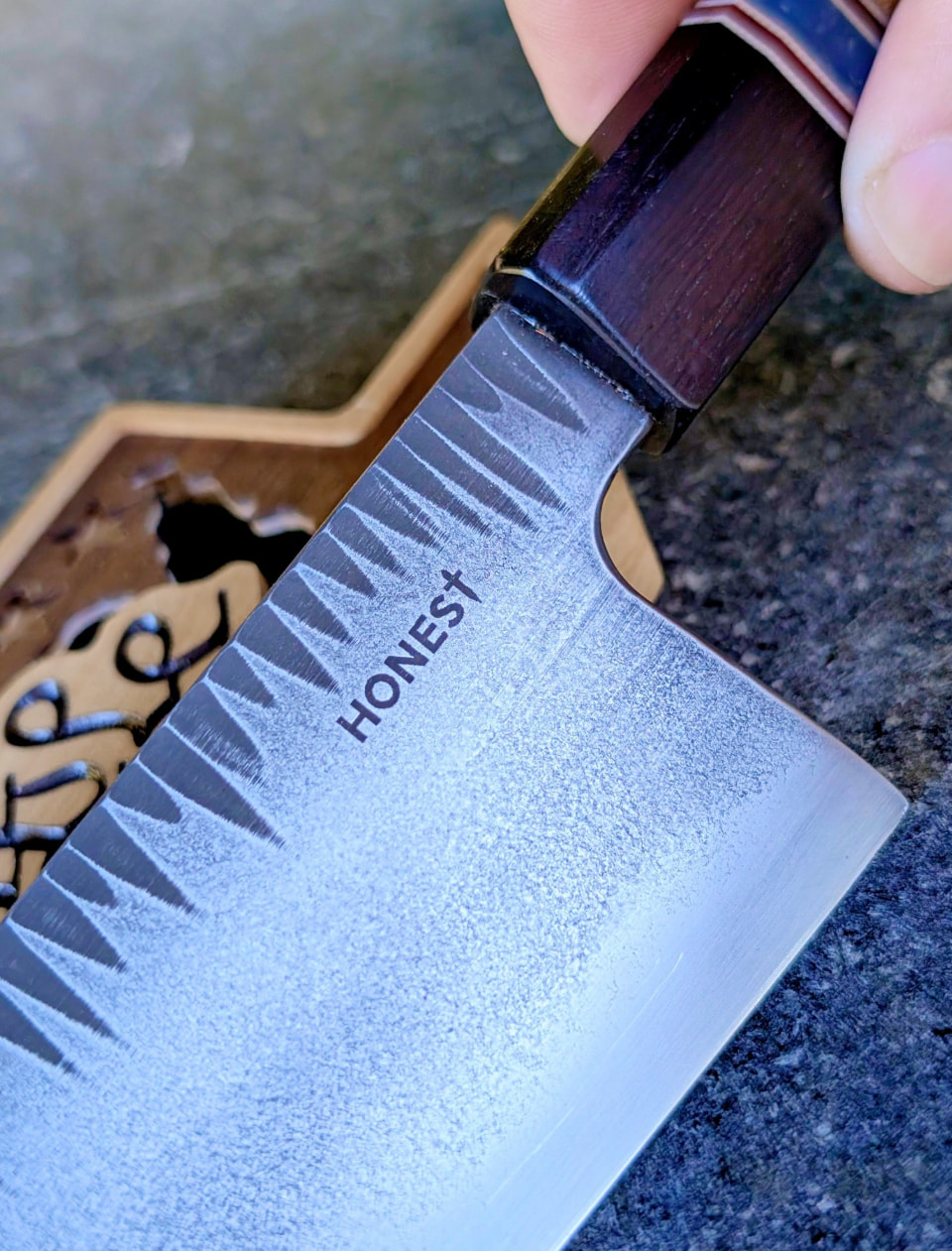
I learned a lot on this one!
5 Likes
Nice. I guess knife making is your primary business?
1 Like
Hi Chucky. Thanks. And yes- business/hobby. Mostly retired.
Nice work!
Knife making has interested me ever since I got hooked on Forged in Fire. Taking chunks of metal and crafting them into something as useful as it is beautiful, that’s a fine skill indeed.
1 Like
@_Michael Tsk! Tsk!. Take a look at his web site and don’t ever speak about forged knives again 
2 Likes
@HonestKnifeCo I took a looksie at your website. Nice knives and sheaths. Were those sheaths done by you as well ?
At least my second sentence used ‘crafting’ but I’ll take your advice just the same! 
Also his reason for not using the F-word makes perfect sense to me based on what I’ve seen about the effing way. 
1 Like
Yes- I made all the items on the site. Older sheaths were made traditional woodworking tools and a laser cutter. CNC is a lot more fun and opens so many possibilities!
Nothing wrong with forging. It’s really fun and great for building your grip strength!
1 Like
Yeah, it looks like fun but it seems like it’s difficult to get the quench right. So often the blade warps, cracks or ends up too hard or soft. It must be heartbreaking after all that hammering to have it all go wrong before you get a chance to grind and finish it.
Anyhow, I like your wares and I’m glad your enjoying your CNC!
PS: You mention using ‘Super Steels’ on your website which I get but I recently read something about some medical devices needing steel from before WWII. I’d need to read up on it more to understand but I gathered something from ‘The Bomb’ has had a negative impact on steel ever since. Such a shame…
EDIT: Found this that summarizes the steel issue I mentioned.
Impact of Nuclear Bombs on Steel Production
Background Radiation ContaminationThe first nuclear bomb tests in the 1940s increased background radiation levels in the atmosphere.
Steel produced after 1945 often contains elevated levels of radioactivity due to contamination from atmospheric nuclear fallout.
This contamination occurs because modern steel production processes, like the Bessemer process, use air that contains radioactive impurities.Low-Background Steel
Low-background steel refers to steel made before the nuclear age, primarily sourced from ships and artifacts produced prior to the 1940s.
This steel is sought after for sensitive applications, such as particle detectors, because it has lower levels of radioactivity.
The demand for low-background steel has decreased over time as background radiation levels have fallen due to treaties limiting nuclear testing.Recycling Challenges
The recycling of steel has contributed to the persistence of radioactive contamination in modern steel.
Recycled steel can retain impurities from older, contaminated materials, making it unsuitable for certain sensitive applications.
I guess it’s not something that would affect a knife but I thought it was interesting and something I wasn’t aware of until recently.
1 Like