Not sure why I waited so long to get one but I finally did. An entry level Bambu Lab A1.
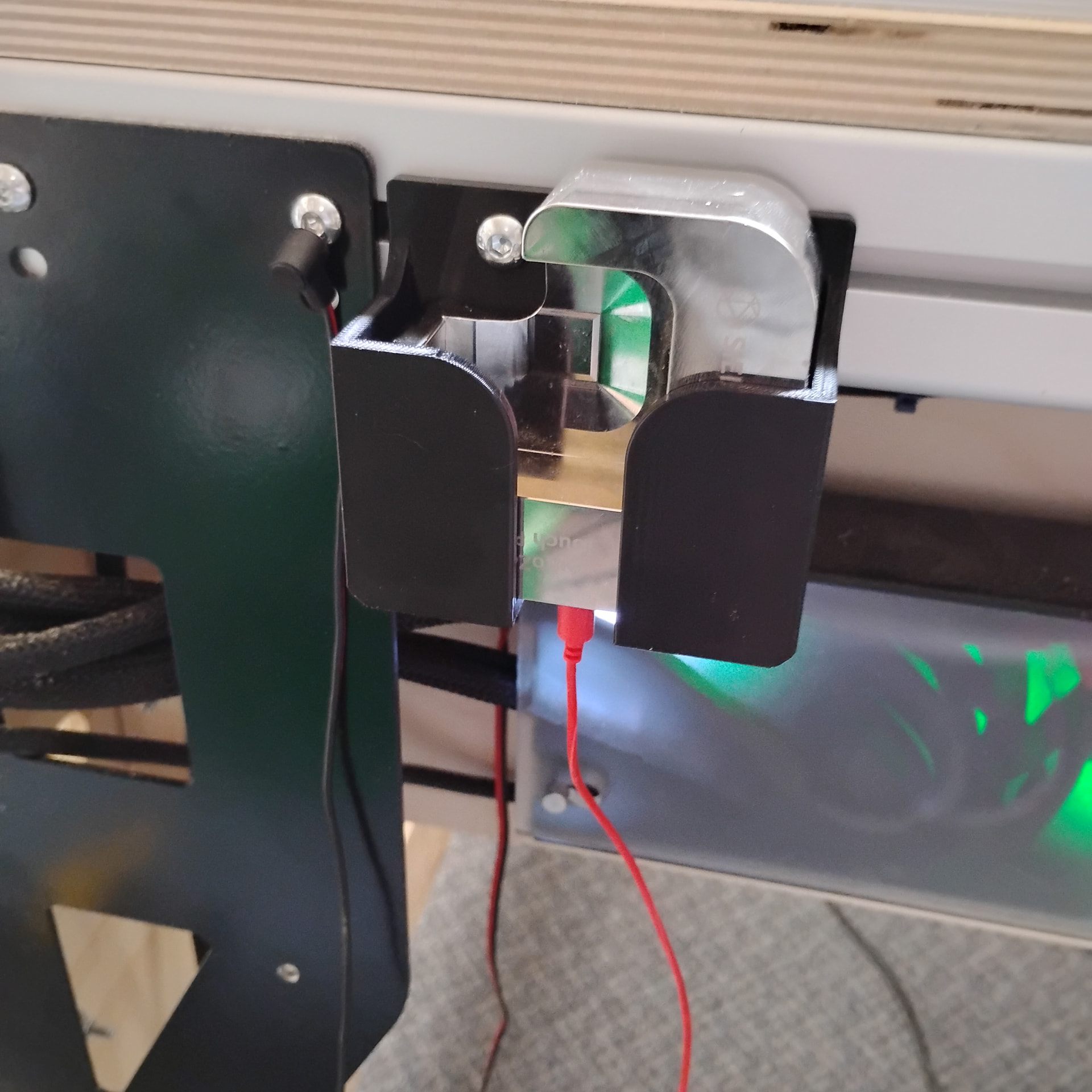
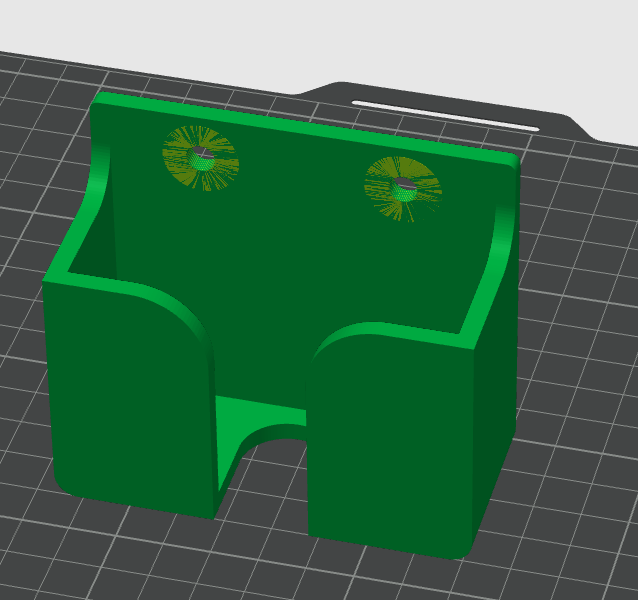
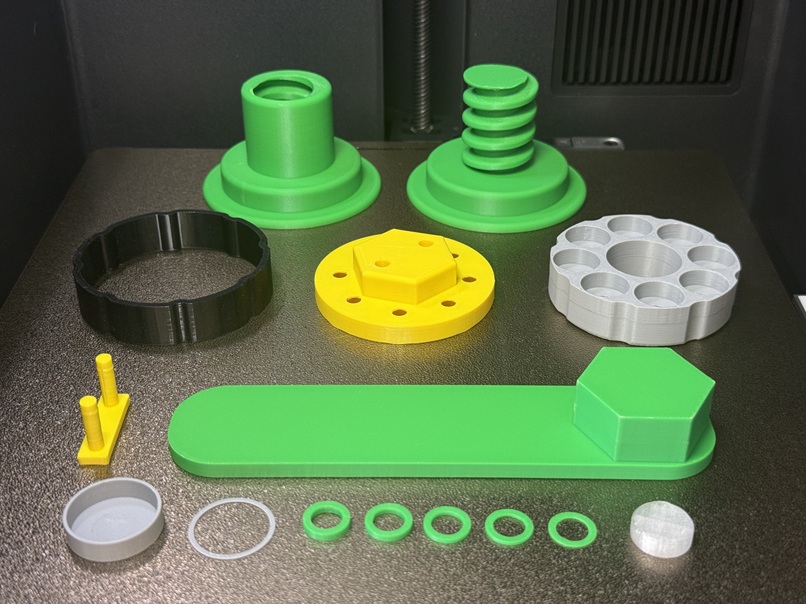
Printed myself a holder for the Auto Zero Touch Plate. I was going to add a metal insert on the holder to hold the magnet on the end of the cable but since the AZTP is right next to the metal table leg, I decided to use that instead. Why make things more complicated?? This was my first 3D print ever. I used modifiers around the mounting holes and printed those out solid. That way, I would not crush the plastic if the bolts are over tightened. And I’ll be able to countersink the holes when I get appropriate M6 flat head screws. The holder mounts to the cross rails with Sienci T-nuts.
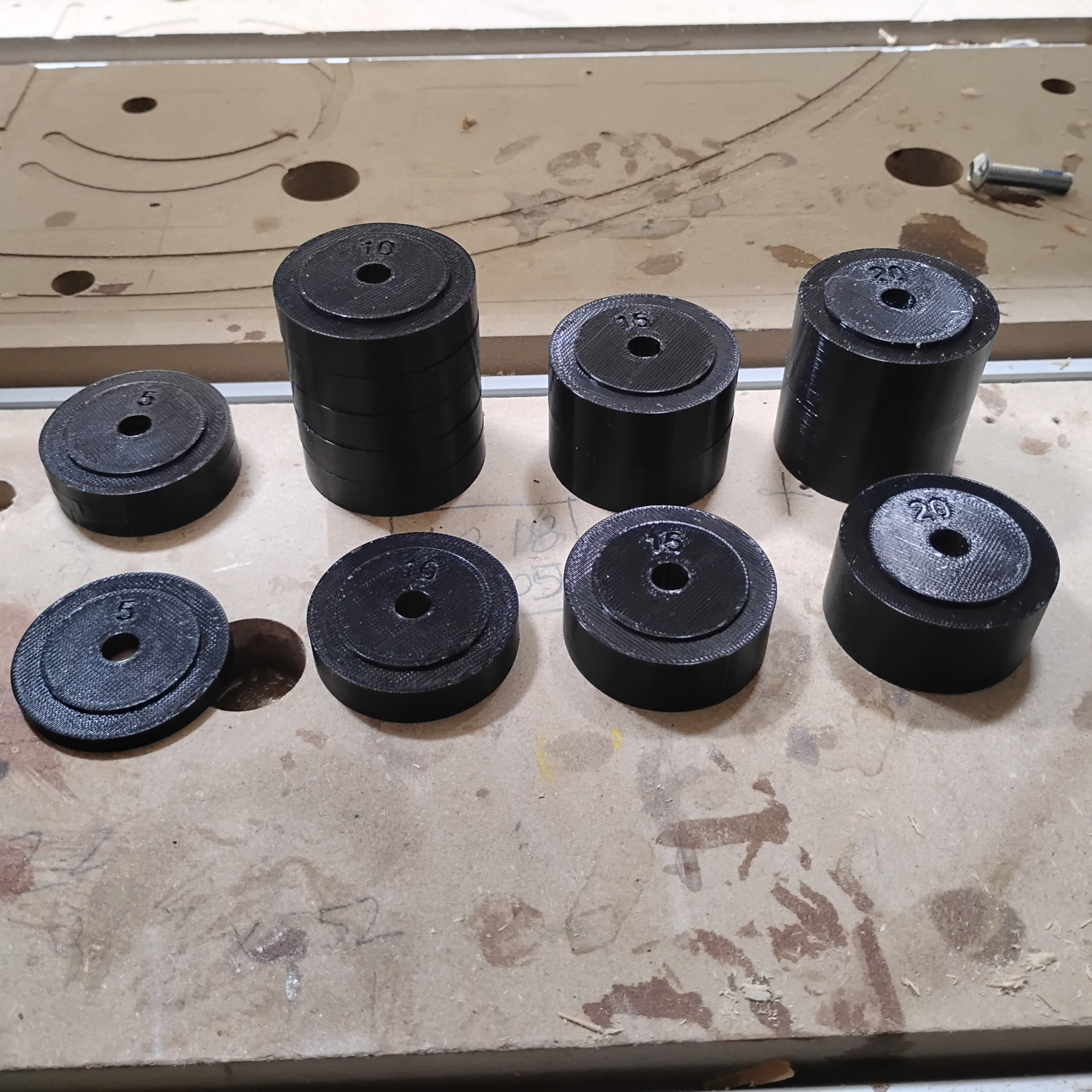
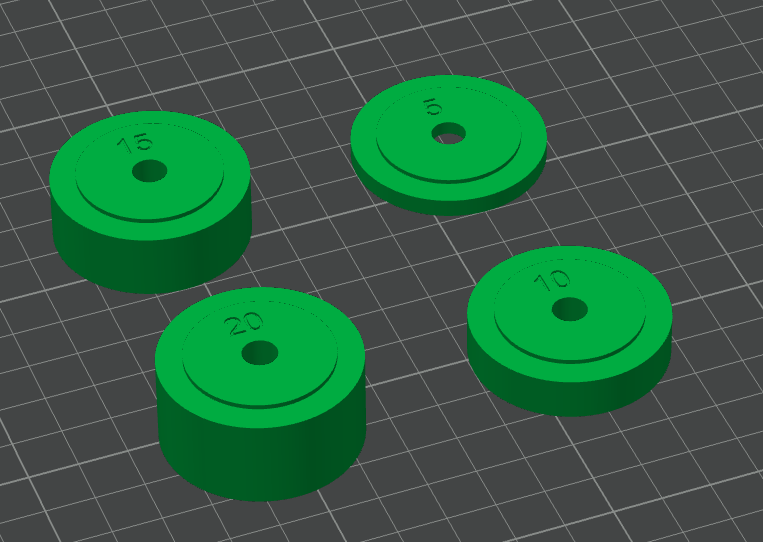
I also printed some stackable spacers for my hold-down clamps. Four different thicknesses (5, 10, 15, 20mm). When you stack them, you lose 1mm in height for each additional piece. For example, three 10mm spacers will give you a 28mm thickness.
Great, you plunged into the deep. The thing that is still staring me in the face. It is not the machine that is putting me off, but the learning curve reset. I fear the whole learning how to crawl, walk, fall without breaking bones, stand up again, walk more slowly to avoid falling again, still falling, frustration, anger, sadness, feeling stupid untill finally, after a good few years of trying, being able to take a walk outside without returning home leaking fluids, needing stitches or castings - using new software. Juuuust to find out there is better software suited for what you are using your printer for.
Tell the noobs among us.. what software did you use, what experiance did you have beforehand and how easy did you find it to get frommidea to final product. Did you use tutorials somewhere?
@Spamming_Eddie Hey Eddie, learning is what keeps me motivated. I love a good challenge.
Models are all done in Fusion. Once you understand how parametric design works, it’s relatively easy. Took a while for me to get there, but I eventually got it.
Bambu Studio is easy to use too. Really not much of a learning curve there. You can slice through the model to see how it will be printed. That’s when I saw how the area around the holes would look like. A quick Google search for “how to print area around holes solid” resulted in using modifiers. So I went back to Fusion to make some. You can do it in Bambu Studio but it’s easier in Fusion. If you look at the model I attached, you’ll see what the modifiers are. In this case, essentially a cylindrical plug that goes where the holes are. You select that modifier to be printed solid. The other areas are printed with a % infill.
Well, I used to work with an ancient 1984 model soldering inspection machine that was primary using xray slices to inspect the solder quality beneath ballgrid ics. So.. that might be something I am able to recognise and work with. As for the rest.
@Chucky_ott Welcome to the vortex (not the sienci one), CO. Like you, I can’t for the life of me figure out how I did without my mini.
@Spamming_Eddie An easy way to start out, SE, is to think of something that you want to print. The chances are excellent that someone has already thought of it and posted a free model online. Printing it is th easy part. If/when the time comes, I can highly recommend a couple of youtube tutorial sites for Bambu Studio.
Will bamboo studio create a universal useable file that can be used on any printer? Like vectric does for cnc milling, or does every platform has its own software and format? I am sooo noob at 3d printing. The only thing I know is that it would be awesome to be able to just design and print stuff from scratch.
Some call me old, some lazy, some even call me difficult, but I see myself as a slow mover. I have the space, I have the funds, I have the computing power and network infrastructure to accomodate the hardware and software. Whatever it’s gonna be. What I lack is much time to go through another steep learning curve, while being too proud to use ready made designs.
Anyhoo.. this year will not be the year and the next is packed with projects on our newly aquired piece of land, solar, home batteries, porches , fences, art and signage work on the mill..
@Spamming_Eddie You can export .stl files from Bambu Studio, which can be imported into Varve, to be carved as 3D models. It’s not a process that I have used to date, but it’s easily possible. Any of the 3D printers out there can import .stl files and print them. Generally, though, I think that printer owners use the slicer that is made by their printer manufacturer. For example, Prusa, another popular home 3D printer has its own slicer. More experienced owners/users of 3D printers will jump in here and prove me wrong, no doubt.
I tend to design for my Bambu using Sketchup, which I am somewhat proficient at. It, too, exports .stl files, which I then import into Bambu for printing.
@Chucky_ott uses Fusion. I tried it once, didn’t give it a fair chance, and quit with a headache. There are umpteen and one ways to create .stl files, so that is really not an issue.
@Spamming_Eddie The nice thing about parametric design is that you start of with a 2D drawing (called a “sketch” in Fusion) and make your 3D parts from that by a variety of methods (extrusion, loft, etc).
And if you want to make changes to your 3D part, just edit the 2D sketch and the changes will immediately follow. No need to redo the model.
For example, the spacers have that little 1mm nib at the top. I wanted to reduce its diameter so that it would fit properly on the bottom of a mating part. All I had to do is change the diameter in the sketch, and the model changed immediately. If you plan your sketch (or sketches) properly, changes to your model can be quite quick.
All the more reason to start designing and using a 3D printer now. With the CNC and printer, it’s amazing how many things you can make yourself that will actually be fit for purpose. In the past, I had to buy off the shelf and make it work for my application. Now I can make what I want for my particular need.
Congratulations on your new baby. Have a virtual glass of Champaign on me and don’t mind the streamers and confetti!
Re your modifiers - don’t overthink it. Unless you are HulkHogan, you will not crush anything if you set up your slicer with 3 vertical walls (this is pretty much the standard wall thickness).
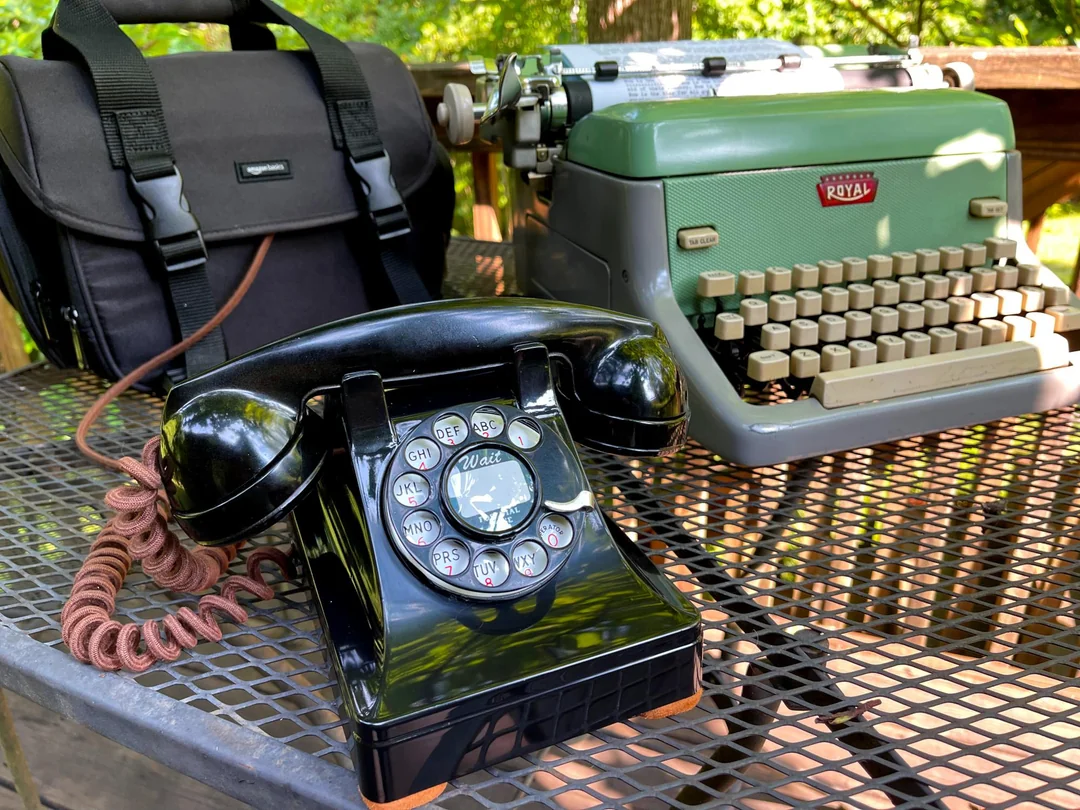
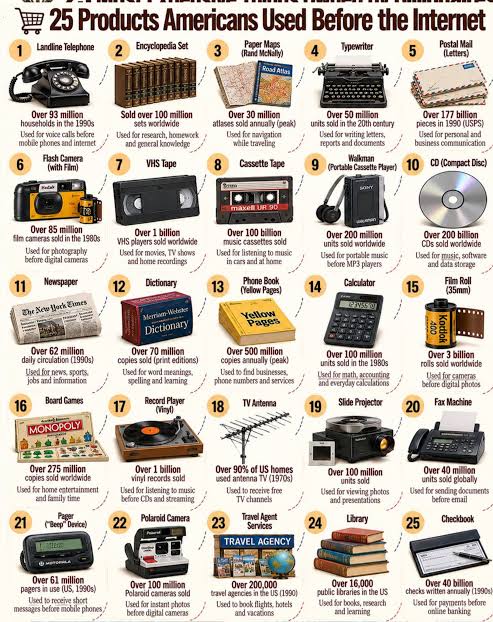
…and arm pitts =), Welcome to the 3d Printing world, I love it. Coupled with a CO2 Laser, Bambu H2C, And an Altmill the sky is the limit. But to answer your question on how humanity survived…it was with these:
I think 3D printers are easier to use than CNC routers. There is also a million times more premade things to download.
The design is different because your always designing 3D whereas the CNC can do a lot based on 2D. But like CO said, in programs like Fusion you start with a 2D sketch and then extrude that into 3D so your 2D skill aren’t wasted.
It can be intimidating if you look at all the options in a slicer. There are many more knobs you can turn compared to CNC. But if you get a good brand like Bambu Lab or Prusa the presets will work well and you’ll only use a small fraction of the settings on a regular basis.
Me, the 3d printer (May)—after tinkering with Fusion for a few weeks. A few months later CNC (Altmill in Aug). Fusion was the impetus for both. Without Fusion I would never considered either.
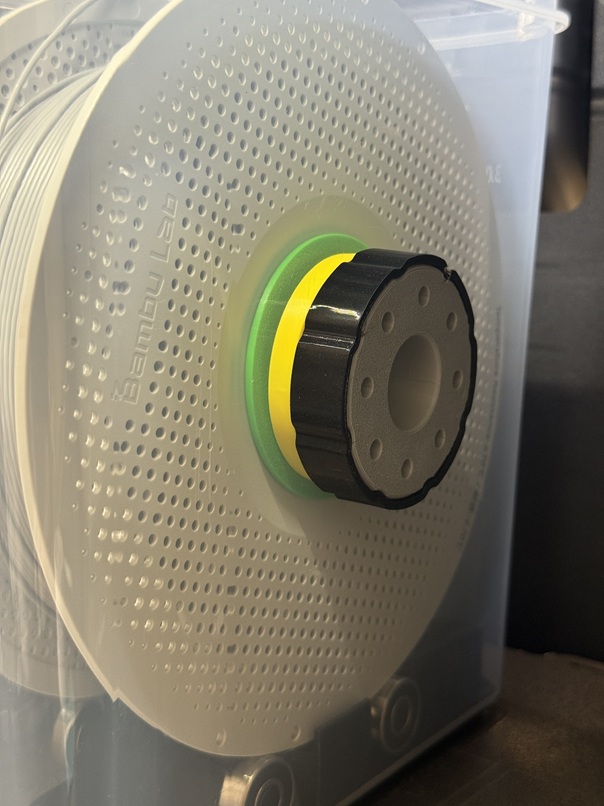
One of my first projects with the 3d printer, a magnet rewind system for the filament spool containers (loaded with desiccant) that hold my TPU 75/85 filament. It uses a bearing (much like a clutch throw-out bearing) to reduce friction as it turns. If TPU gets exposed to the slightest bit of moisture (especially 75) it’ll stick to the PTFE tubing like glue.
Dang, you all have been busy and it looks like I missed a bunch. Just to add another 2 cents, if you are comfortable with AI, you can give it some dimensions, tell it what printer you are using, the material you are printing in and presto! The damn thing will generate a file for you in your preference (.stl, .step, .3mf) etc. with the proper filament profile-blah blah blah
That looks nice! You’re right about TPU and PTFE tubes. I was surprised by how much resistance there is sometimes. I’ve yet to successfully print multi-color TPU unless you count changing at a layer boundary.
I’ve had my LongMill for 5 years now. I got my Prusa i3 about a year before that. The Prusa was my second printer. I had an inexpensive Geeetech, yeah threee eees in a row, for a year or two as my first printer.
I had some experience with Blender and Fusion from learning about graphics programming. I stopped using Fusion when they dropped, or maybe just lowered the limit drastically on, free commercial use. I never managed to sell much but that’s why I stopped using Fusion. They also went to cloud storage for the models. Maybe there is a way around that IDK.
I’m a bit paranoid, what if I actually thought of something truly genius, I know it’s unlikely but bear with me, and they stole my design. I know most large companies are acting in my best interest and aren’t destroying everything just to make short term profits but I’m crazy. I digress, every now and then one of my delusions escapes me!
Since then I fell in love with OpenSCAD and then switched to PythonSCAD, an OpenSCAD fork, as my first choice for 3D. Nowadays if I can’t figure out how to make what I want in code I’ll bust out Blender or FreeCAD. Vectric is what I use for most of my CNC work.
3D printing and CNC machines have turned my dream of creating a video game into creating a CAD application! It will keep me busy even if I can’t ever accomplish it.
@_Michael, thanks! Sounds like you have many years of CAD experience which certainly lends weight and credence to your preferences. I believe your reservations/concerns ref Fusion are valid. However, for better or worse, Fusion hooked me in the first 30 min of use. It was so intuitive. In a span of 5-6 months it’s enabled me to go from zero knowledge about CAD, to modeling, printing and CNC’ing pretty much anything I desire. Throw-in the significant YT/AI content when you get into a jam, the price: free (for non-commercial use), plus, it’s popularity with luthiers, the decision to use Fusion was pretty much a no-brainer for me. If I end-up modeling anything consequential in the future (that may entice IP theft), I’d certainly entertain switching.
Having programming experience, not professionally, has definitely influenced my choice of tools. Having a plain text file that defines my model, version controlled with Git, is really appealing to me. It’s probably not very intuitive for most folks though.
@Chucky_ott I remembered something that ties into what @Jens said about strength. I read some testing on strength but it was some time ago so my numbers are just ballpark. Wall count was the quickest way to gain strength and the returns on infill density diminish fast. Something like 90-95% of the strength from infill was achieved by 45% infill. There’s not much need for going above 25% in my experience.
There are definite cases for going with high infill but probably 90% of what I do has an infill of 15% and there is maybe another 5% that goes up to 25% infill. The rest is either below or above those values. As an example, if you want to print something that is clear, you would go for 100% - not for strength but to achieve clarity. If you want to print something very flexible in TPU you would use maybe 5% or even less. Some parts in one of my 3D printers are printed in 100% for long term stability.
BTW, while the majority of people are heavy into PLA because it is so easy to print, not only has it terrible heat properties (going soft at around 40C) but it also moves/creeps if under constant stress which makes it a poor filament for anything structural. PLA is perfect for things like figurines and generally stuff that is looked at.
I think PLA also has lower layer adhesion than say PETG and can fail suddenly because it’s hard and will snap rather than bend. That may be more for sudden bends if you’ve noticed bending without breaking under constant stress. I usually avoid it for anything that not just for looks.
EDIT: I also read the biodegradable aspect of PLA isn’t practical. It’s only biodegradable under conditions that aren’t economically viable from what I understand. Not something I know a lot about but it was disappointing to learn that.