The 4x4 Altmill is a big machine and I’m wondering what kind of precision one can expect on cuts, in the X, Y , and Z axes. Are we talking about 1mm, 0.5mm, 0.1 mm precision? I don’t think I’ve seen these numbers in any of the specs.
Specifically, I would want to use the Altmill with a drag knife to cut small but intricate shapes in vinyl or paper. If I have a good drag knife, can I expect the same kind of cut that I would get from say, a Cricut machine?
As an example, if I were to cut a 10 mm circle, would the end point meet exactly at the start point ?
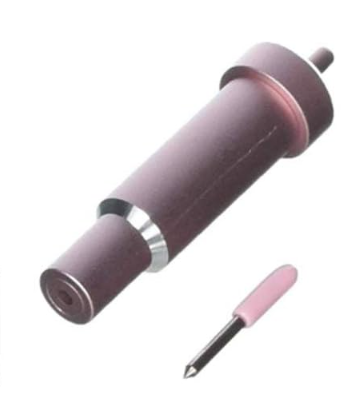
FWIW, once I get my Altmill, I will try to adapt a Cricut or Cricut-clone knife. The clones are relatively cheap and the Cricut brand is currently on sale (at Michaels). The blades are tiny and rotate in the housing so they don’t need to be attached to the spindle collet.
For larger, less-precise cuts, I’d try the home-made drag-knife that gwilki posted about in another post.
Simple Drag Knife for Thin Stock - Community Discussion /  Tools & Speeds - Sienci Community Forum
There is also a drag-knife similar to the Cricut sold by Carbide 3D but it’s way more expensive if you factor in shipping to Canada.
I can’t answer any of these questions but Robot Shop sells carbide 3D products and they’re based out of Canada. I don’t know if they sell that drag knife anymore but I know they used to. I got a few etching tools through them, and I purchased my original shapeoko 3 years ago through them as well. Shipping was very reasonable.
1 Like
Hi Chucky,
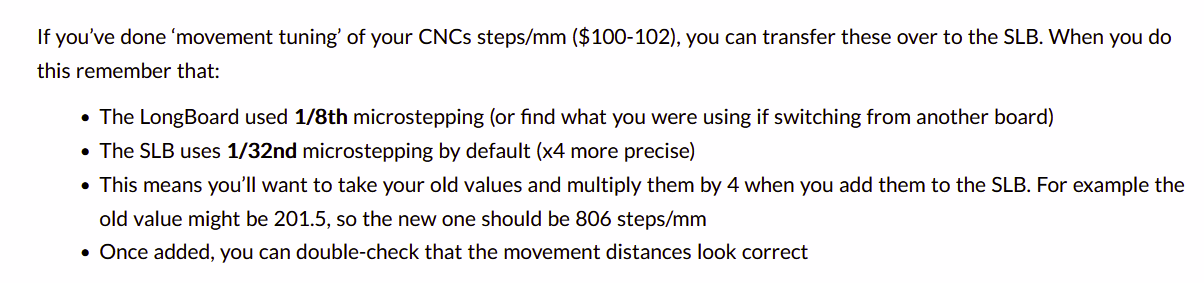
On precision on the altmill, there might or might not be a direct spec, but I found a hint in the upgradfing to SLB section that might give you an idea on how precise an altmill - At least - can be, when it’s perfectly calibrated.
I know, there’s no such thing as no slop in our kind of machines, but even my clunkmill - Not calibrated and I don’t care much for a wee deflection - will stay below your lowest estimate.
I think you will end withing 0,05mm from where you start in your circle with a well calibrated and oiled up altmill.
1 Like
Thanks for the info. I think I can live with 0.05mm
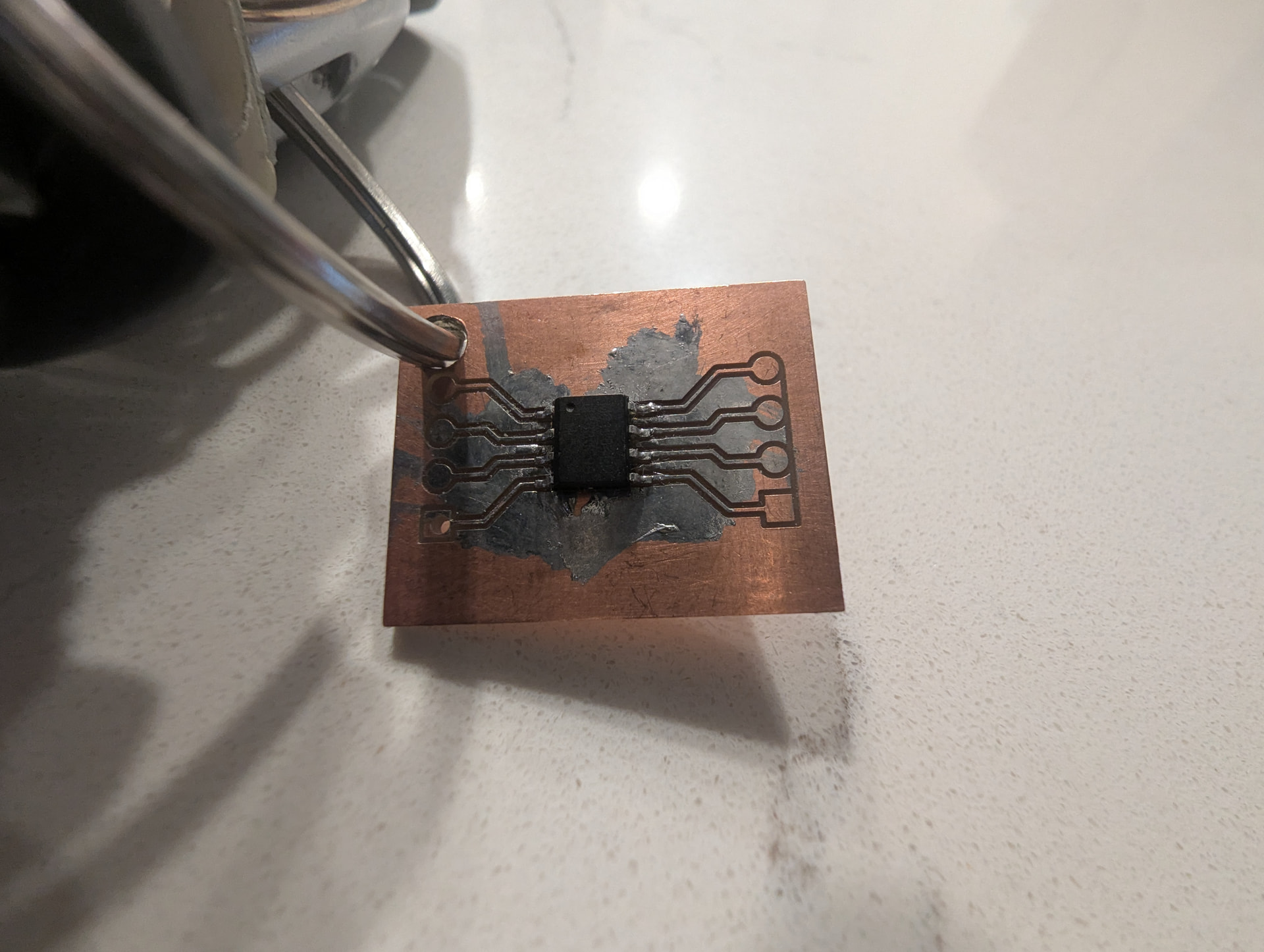
I don’t have any numbers but before I bought the AltMill I emailed support inquiring if the specs were tight enough for PCB milling and was told yes.
I have not tried yet, still on my roadmap, but it was a deciding factor in my selection of the AltMill.
1 Like
I can’t find all the info needed but not counting any play in the system you should be able to calculate the precision.
I think it’s screw pitch / (steps per revolution X micro-steps). The screw pitch needs to be the pitch for one thread if it has multiple starts. I’m not sure how they are usually labeled. If the pitch is still measured by adjacent threads then you need to multiply by the number of starts.
1 Like
Once I receive it, I’ll put a real small value in the precise jog settings and then confirm movement with a dial gauge.
1 Like
Curious if you ever got around to measuring the accuracy with a dial indicator.
@PickleEngineering Never did, but since I have a dial gauge, I certainly can.
You should be able to translate the steps of the stepper motors to linear movements. So in theory, if you have the specs on the motors and drivers, you should be able to calculate the linear precision.
That said, I can compare with a dial indicator.
Will do it tomorrow and post back.
@PickleEngineering My 0.01mm digital gauge confirmed that the Altmill movements are as small as 0.01mm in the XYZ directions. You can configure gSender to go even smaller but I’d need a better dial gauge for that. But since it’s intended for wood, who cares really.
3 Likes
Thanks for checking this out. I recently purchased an MR-1 probe to do some touch leveling for PCB milling. The results are really encouraging. I don’t have an accurate enough dial indicator to check my machine at that level.
Sounds like our machines are going to be quite good at PCB milling. My initial results were good but I think I need the surface leveling for better results.
2 Likes